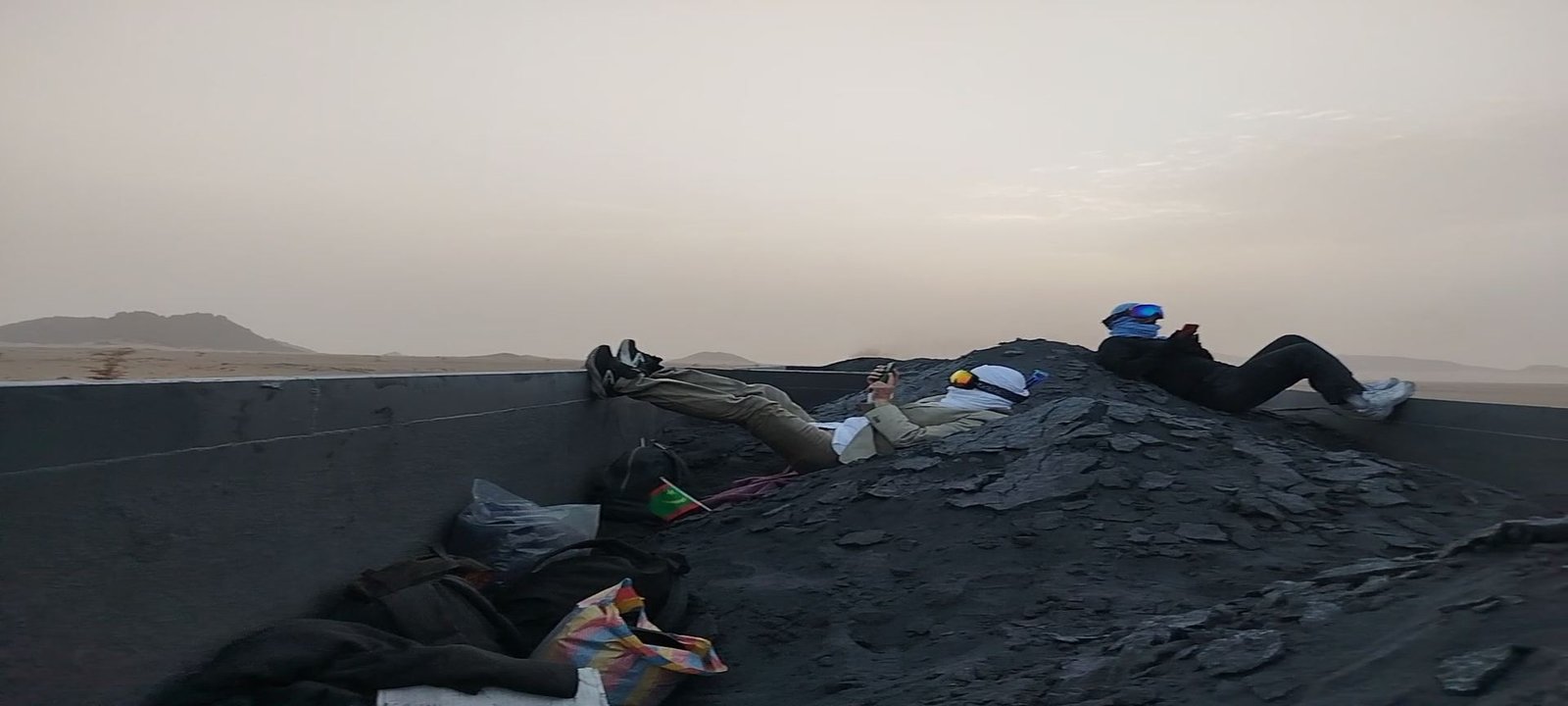
4 days
from $1,300
Essential Mauritania: Iron Ore Train
Nouakchott, Atar, the Terjit oasis and a night aboard the world's longest iron ore train.
View itinerary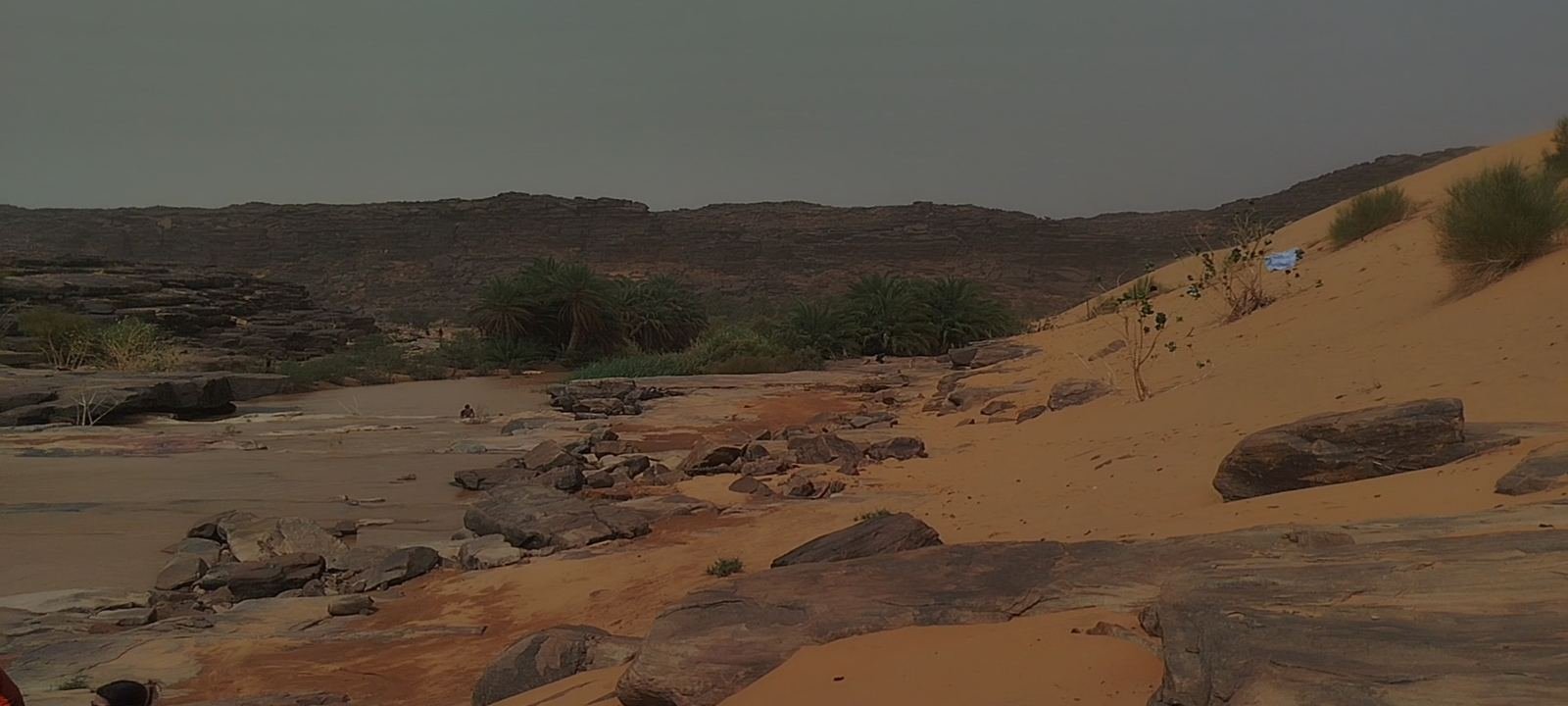
Visas, safety, seasons, money and packing — the practical answers we give our own guests before they fly to Nouakchott.
Mauritania is one of the least-visited countries in the world, and most people arrive knowing very little about it. This guide answers the questions our guests ask most often before booking a Mauritania tour — from visas and safety to when to come and what to bring for a night on the iron ore train.
Most visitors need a visa. Mauritania runs an official e-visa system, and visas on arrival have also been available at Nouakchott airport and at land borders. Rules, fees and processing times change, so always check the official government portal, or your nearest Mauritanian embassy, shortly before you travel.
Bring a passport valid well beyond your trip, printed copies of your visa, and several photocopies of your passport: there are police checkpoints on the desert roads, and handing over a copy speeds things up. Once you book with us we send a current checklist with your confirmation.
The parts of Mauritania that travellers visit — Nouakchott, the Atlantic coast, Atar and the Adrar, Chinguetti, the Terjit oasis, the railway corridor and the Banc d'Arguin — are calm, and violent crime against visitors is rare. The remote border areas towards Mali and Algeria are a different matter and are avoided.
The realistic risks on a desert trip are practical rather than political: heat, dehydration, breakdowns far from help, and the iron ore train itself, which is loud, dusty and cold at night. Travelling with a local operator who knows the routes, carries water and spares, and briefs you properly is the single biggest safety factor.
November to March is the season. Days in the Adrar are warm rather than punishing, desert nights are cool, and the Banc d'Arguin fills with migratory birds. This is also the most comfortable time for a night in an open ore wagon.
From June to September the Sahara is extremely hot, and spring brings more wind and sand in the air. We run trips outside the main season on request, but for a first visit, aim for winter.
Most travellers fly into Nouakchott, which has connections with Paris, Casablanca, Istanbul, Dakar and several other hubs. Nouadhibou also has an airport, and some overland travellers arrive from Morocco through the Western Sahara border, or from Senegal in the south.
All our tours start with an airport pickup in Nouakchott and end back there, so you only need to book flights to and from the capital.
The tourist route — Nouakchott, Atar, the Adrar, Chinguetti, the Terjit oasis, the railway and the Banc d'Arguin — is calm and visited every winter without trouble. Remote border regions towards Mali and Algeria are avoided. Travelling with a local operator handles the practical risks of desert travel.
November to March: warm days, cool nights and peak birdwatching in the Banc d'Arguin. June to September is extremely hot in the Sahara.
Most nationalities do. Mauritania has an e-visa system and visas on arrival have also been available, but rules and fees change — check the official portal or a Mauritanian embassy before you travel.
Arabic (Hassaniya) is the everyday language and French is widely used in business and administration. Our guides work in English and French.
Our small-group tours start from the per-person prices shown on each tour page, covering 4x4 transport, accommodation, a guide and the iron ore train where it is included. International flights and the visa are extra.
No. Mauritania is a dry country and alcohol is not sold or served.
Browse all four tours, or get in touch and we'll help you choose.
Nouakchott, Atar, the Terjit oasis and a night aboard the world's longest iron ore train.
View itinerary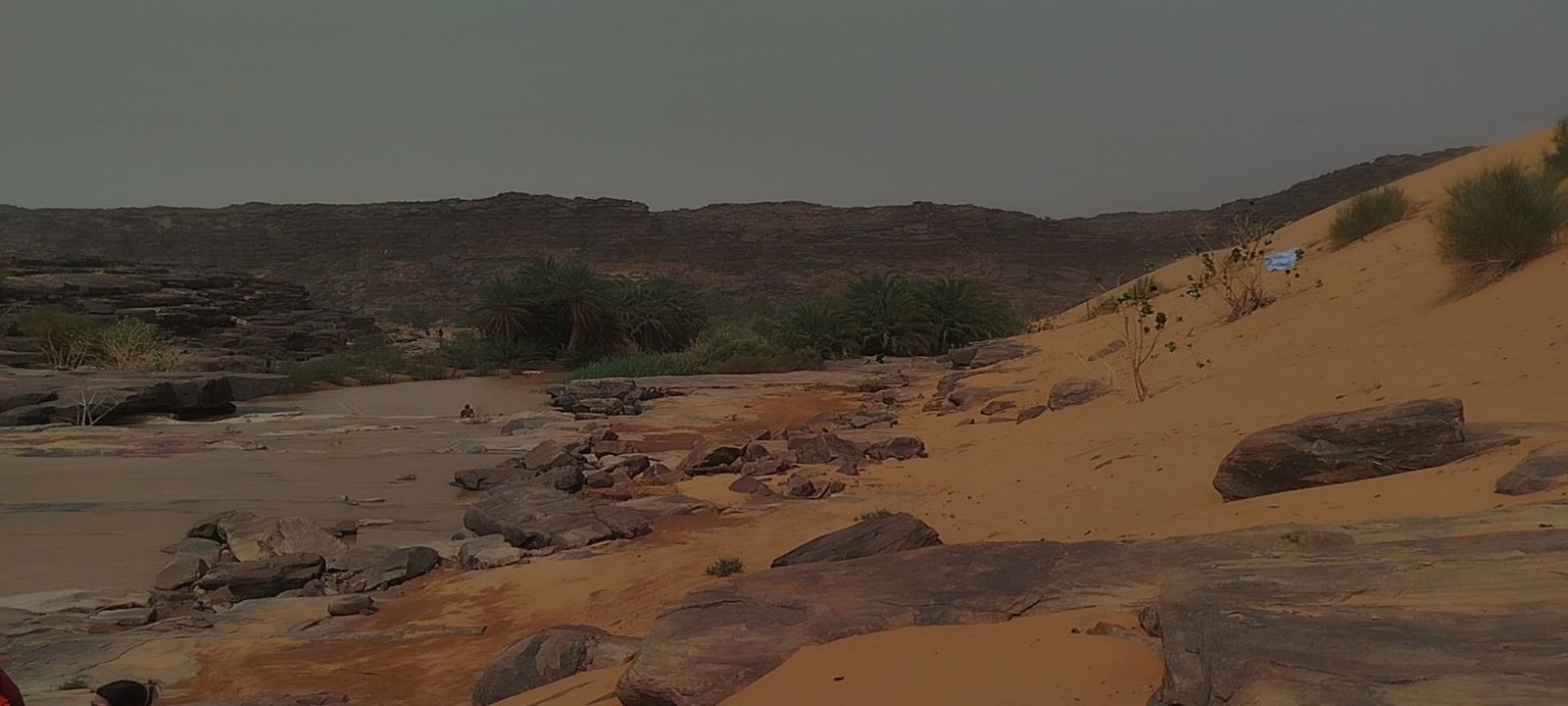
Nouakchott to Atar and a full day in Chinguetti, Mauritania's ancient desert library city.
View itinerary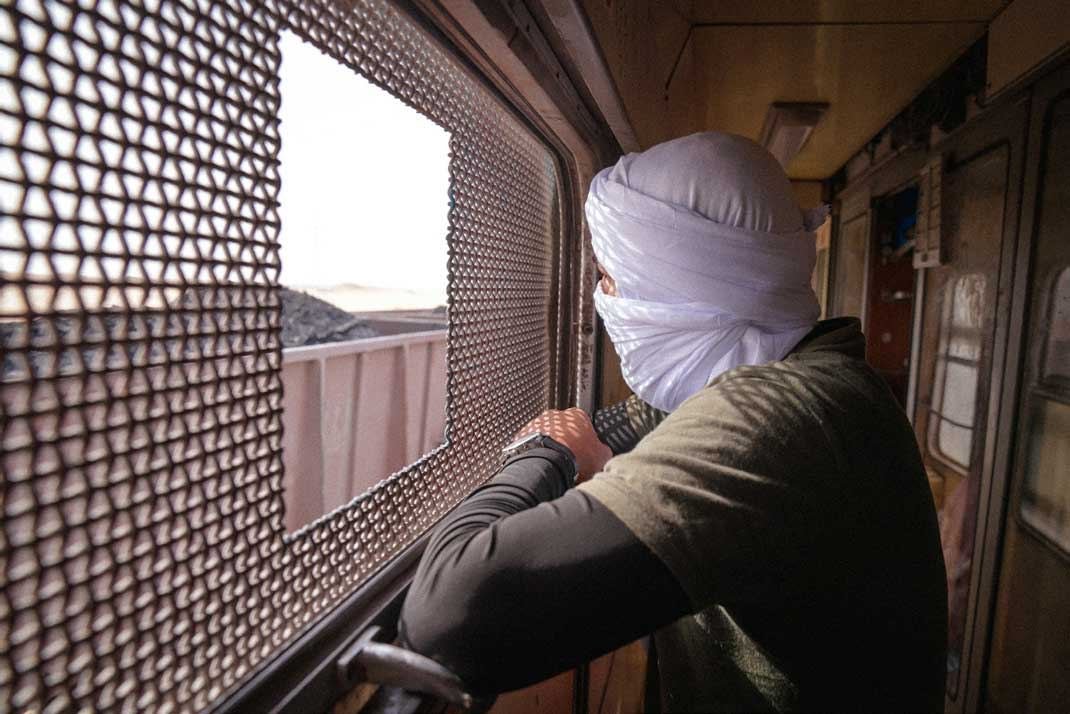
The full iron ore train expedition, extended with two days in the Banc d'Arguin National Park.
View itinerary
Our Chinguetti heritage tour extended with two days in the Banc d'Arguin National Park.
View itineraryTailor-made trips
Every itinerary here can be changed: your own dates, a private departure for your family or friends, more days in the desert, or extras like the Eye of the Sahara and Ouadane. Tell us what you want to see and we will design it.
Sahara Iron Trail
Usually replies within an hour
Salam! 👋 Planning a Mauritania tour or the iron ore train? Message us — we're happy to help.
Chat on WhatsApp Call +222 27 44 50 52